Blog

  • The Perfect Takeoff with Flight Operations Software

    The Perfect Takeoff with Flight Operations Software

    Don’t you just hate it when you are rushing to board a flight and the dashboard screams “DELAYED”.  This can be due to unforeseen circumstances or due to untimely technical decisions across different sectors in an airport. Either way the key decision maker, i.e, passengers, are left stranded and that is an issue.

    Airports operate on a stringent flight timetable, which involves meticulous staff coordination, efficient passenger handling, and a keen eye for detail among other things. In a complex competitive ecosystem like an airport every second you save becomes a make-or-break situation. This is where flight operations software’s takes center stage.

    To give everybody a detailed overview, we’ve applied our expertise on flight operations software’s to create this write-up. Here we’ll delve into the primary challenges in operations of airports and explore how integrated software solutions can streamline these processes.

    Challenges In turnaround

    The aviation industry uses advanced tools such as flight operations software for planning and scheduling. These tools are used a day before the operation, ensuring everything from staff readiness to equipment availability and flight schedules are in order. However, the real test of efficiency unfolds on the ground, on the day of operations.

    One of the initial hurdles that often lead to delays is the Air Traffic Control (ATC). Prioritizing safety over speed, ATC can sometimes disrupt the well-planned schedule. Moreover, the readiness of resources to start the turnaround process can also contribute to delays.

    Operations at airports are guided by agreements and procedures, which, while ensuring standardization and quality, often limit the visibility into the turnaround process. This lack of transparency makes it challenging for airlines and airports to proactively prevent or recover from delays. This is where flight operations software can play a crucial role.

    These factors collectively impact the overall preparedness of the aircraft for on-time departures. More often than not, the target off-block time is not met, leading to changes in the departure sequence. This domino effect can result in additional delays during take-off.

    How ZestIOT is Revolutionizing Airport Operations with Flight Operations Software

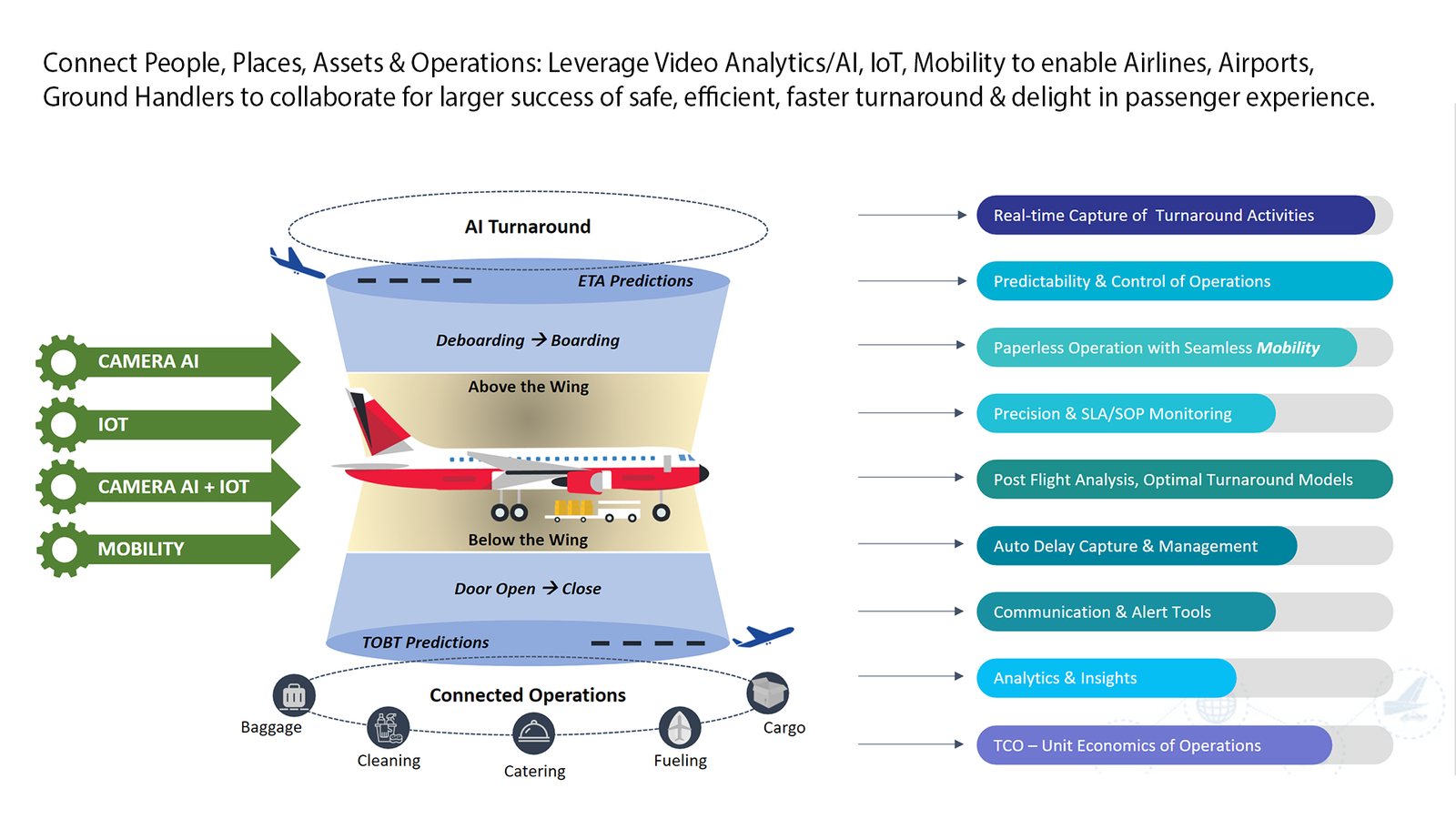
    ZestIOT is harnessing the power of advanced technologies such as camera-based AI, IoT, and mobile application-based process monitoring to transform airport operations. By generating intelligent data, our flight operations software provides a clear view into every step of the aircraft turnaround process, starting from the moment the aircraft is On Block.

    This innovative approach involves a seamlessly integrated platform, known as the TurnTracking Digital Twin of Aircraft. Acting as a single source of truth, this platform offers real-time situational awareness, driving operational efficiencies and enabling faster decision-making. Not only does it help manage exceptions, but it also aids in predicting the Target Off-Block Time (TOBT).

    Ground Radar
    Ground Radar

    Ground Radar, specifically ZestIOT’s Ground Radar Connected Operations, is revolutionizing the aviation industry. This technology uses powerful Camera AI/IoT to monitor and analyze ground activity in real-time, leading to efficient, safe, and speedy operations. It’s a game-changer, setting transformational standards in the industry.

    Key features include:

    • IoT Telemetry, which uses IoT sensors to automatically capture turnaround milestone timings and monitor various aspects of operations.

    • The CameraAI for Operations provides live visibility of turnaround operations with auto timestamping and monitors and controls FOD & Safety checks.
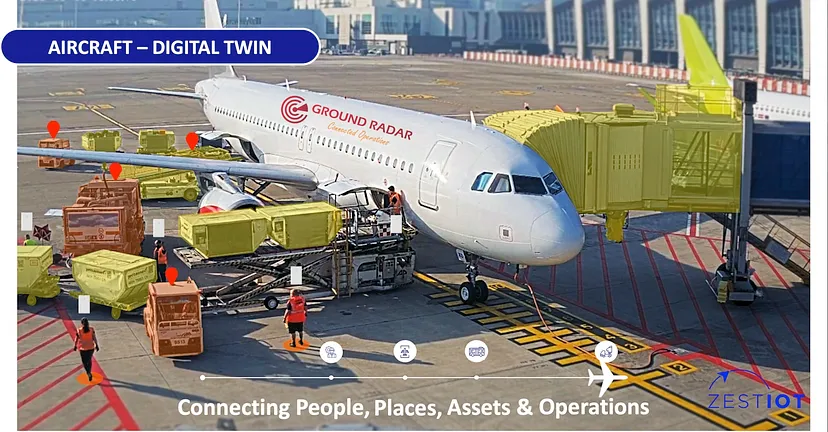
    • The Aircraft Turnaround Digital Twin feature offers a live immersive view of planned vs state of services vs forecasted timeline, helping in predicting TOBT and deciding on the turnaround’s critical path.

    • Ground Radar also ensures Airport Safety Measurable Compliance, ensuring de-cluttered parking stands, readiness of aircraft for departure, and proper placement of safety objects.

    • The system also offers features for manpower & equipment resource planning, roster & allocation. It provides demand-planning-allocation for both manpower and equipment for activities both below and above the wing.

    The Impact of ZestIoT’s Flight Operations Software

    The implementation of ZestIOT’s flight operations software leads to optimized system-driven cost savings and several other benefits:

    Equipment Efficiency Enhancement

    The software helps minimize the number of equipment units in operation while maximizing their utilization.

    Manpower Optimization

    It streamlines manpower allocation, aiming to handle the maximum number of flights within standard shift hours.

    Punctuality and Speed

    The software enhances on-time performance and reduces airport parking expenses.

    Eco-Friendly Approach

    It aids in decreasing fuel consumption and lowering the carbon footprint.

    Comprehensive Cost Management

    The software focuses on the total cost of ownership and refines the unit economics of operations for definitive cost savings.

    Takeaway

    Flight operations software is a critical component of modern aviation. It ensures that every element of airport operations hits its mark, minimizing delays and frustration for both passengers and airlines. By harnessing the power of AI and real-time data, solutions like ZestIOT’s Ground Radar Connected Operations transform airport operations. They bring transparency to the turnaround process, predicting challenges before they arise and optimizing resource allocation to keep departures on schedule. The result? Smoother journeys, happier passengers, and a more sustainable future for the aviation industry.

    The use of flight operations software is essential in ensuring that flights take off seamlessly. It is not just pilots and planes that keep us soaring – it’s the silent orchestra of flight operations software conducting the magic behind every perfect takeoff.
  • Embracing AI in Manufacturing: A Game Changer

    Embracing AI in Manufacturing: A Game Changer

    The revolution in manufacturing quality control is not a distant utopia; it’s happening right now, in factories and production lines across the globe. AI vision systems are no longer science fiction; they’re the cutting edge of industrial progress. As we embrace this new era of intelligent inspection, we pave the way for a future where quality is not just an aspiration, but an unwavering guarantee.

    The Cost of Quality in Manufacturing

    Quality control and yield are critical in the manufacturing industry, whether it’s automobiles, semiconductors, smartphones, or food and beverages. Inadequate quality control can lead to substantial operational and financial burdens due to rework, scrap production, yield reduction, increased work-in-process inventory, post-sale recalls, warranty claims, and repairs.

    The American Society for Quality suggests that the cost of quality could reach 15-20% of annual sales revenue for many organizations, translating into billions of dollars annually for larger manufacturers.

    Visual Inspection in Quality Control: An Overview and Its Limitations

    Visual inspection plays a pivotal role in quality control within manufacturing processes. This involves scrutinizing the product for any potential defects. Historically, this has been a manual task, which can be both labor-intensive and prone to human error. To mitigate these issues, rule-based visual inspection machines have been introduced over time.

    However, these methods have drawbacks:

    Manual Inspection

    The effectiveness of manual inspection is heavily dependent on the operator’s perception and experience, leading to inconsistencies in the inspection process.


    Traditional Inspection Machinery

    These machines require programming and lack the flexibility to adapt to changes in the product, limiting their applicability in dynamic manufacturing environments.


    Machine Vision-Based Inspection

    While these systems can detect defects, their scope is limited, and they can only identify a certain number of defects at a time.

    In light of these limitations, there is a growing need for more advanced and flexible inspection systems. The advent of artificial intelligence (AI) and machine learning (ML) technologies offers promising solutions. These technologies can learn from data, adapt to changes, and detect a wide range of defects simultaneously, thereby enhancing the efficiency and accuracy of the visual inspection process in quality control.

    The Promise of AI in Manufacturing

    The manufacturing industry has always embraced innovation, from mass production and lean manufacturing to six sigma and enterprise resource planning. AI in manufacturing is set to drive further innovation.. The advantages of using AI are numerous:

    • It reduces the cognitive load for operators and decreases the number of defects missed.
    • It requires no programming and can adapt to product changes.
    • It can identify hundreds of areas of interest on a product within seconds.

    Revolutionizing Conveyor Systems in Heavy Industries with AI in Manufacturing

    Heavy industries such as metal, mining, thermal, and cement rely heavily on extensive conveyor systems for essential material transportation. These conveyors are integral to furnaces, casting, and manufacturing processes, forming the backbone of these operations. However, these industries face numerous challenges, including harsh environments, limited accessibility, high breakdown costs due to extended downtime, and difficulties in conducting manual inspections.

    PREDICTON: An Innovative Solution by ZestIOT

    ZestIOT’s PREDICTION, an innovative solution that harnesses the power of Video Analytics and CameraAI. By combining Machine Vision and Conveyor Monitoring, PREDICTON effectively addresses the challenges faced by heavy industries. This groundbreaking solution is set to revolutionize the way these industries operate, bringing about a new era of efficiency and productivity.

    PREDICTON stands out with its impressive identification accuracy rate of over 99.98%. It enhances safety, minimizes production losses, and boosts efficiency by providing real-time alerts for immediate action. The solution is robust, dust and waterproof, and requires zero downtime during installation.

    The solution offers various detection capabilities including cut detection, foreign object detection, material detection, spill detection, belt sway detection, and boulders and slump detection. Additionally, it provides add-on modules for Idler condition detection, human safety intrusion detection, and belt thickness detection.

    With its seamless integration with PLC Systems and delivery of insights via an interactive web app, PREDICTON is set to redefine conveyor belt monitoring, ushering in a new era of efficiency and productivity with AI in manufacturing.

    Conclusion

    The advent of AI in manufacturing is not just a technological advancement; it’s a paradigm shift that is redefining the very essence of quality control. With solutions like PREDICTON by ZestIOT, industries are witnessing a transformation like never before. By leveraging the power of Video Analytics and CameraAI, PREDICTON is setting new benchmarks in efficiency, safety, and productivity.

    However, the journey doesn’t end here. As we continue to push the boundaries of what’s possible with AI in manufacturing, we look forward to a future where quality is not just an aspiration, but a meticulously engineered reality.


  • Airport Management Solutions: Streamlining Operations for the Future

    Airport Management Solutions:Streamlining Operations for the Future

    The aviation industry is a complex ecosystem that requires precise coordination and efficient management. With the rapid advancement of technology, airport management solutions have become an integral part of streamlining operations and enhancing the overall passenger experience. These airport management solutions leverage cutting-edge technologies such as Internet of Things (IoT), Artificial Intelligence (AI), and data analytics to optimize various aspects of airport operations, from passenger flow management to baggage handling, security, and more.

    As we look towards the future, the role of these airport management solutions becomes even more critical. With passenger numbers expected to double by 2037, according to the International Air Transport Association (IATA), airports worldwide must embrace innovative airport management solutions to manage this growth effectively and sustainably. This blog post will delve into the world of airport management solutions, exploring how they are transforming airport operations and paving the way for the future.

    The Role of IoT in Airport Management

    The Internet of Things (IoT) has revolutionized various industries, and aviation is no exception. IoT in airport management involves the use of connected devices and sensors to collect and analyze data in real-time. This data-driven approach allows for more informed decision-making, leading to improved efficiency, safety, and passenger satisfaction.

    One of the key applications of IoT in airport management is in passenger flow management. Sensors placed throughout the airport can track passenger movements, helping to identify bottlenecks and optimize passenger flow. For instance, if a particular security checkpoint is experiencing heavy traffic, airport staff can be alerted to open additional lanes or redirect passengers to less crowded areas.

    Another crucial application of IoT is in baggage handling. Lost or delayed baggage is a significant pain point for both passengers and airlines. IoT-enabled airport management solutions can track each piece of luggage from check-in to arrival, significantly reducing the chances of bags being lost or misplaced.

    AI and Machine Learning in Airport Management

    Artificial Intelligence (AI) and Machine Learning (ML) are transforming the way airport management solutions operate. These technologies enable airport management solutions to analyze vast amounts of data and derive actionable insights, leading to more efficient and effective operations.

    One of the key advancements in airport management solutions is the Ground Radar. This platform leverages IoT telemetry to enable equipment with IoT sensors to auto capture turnaround milestone timings, providing real-time tracking of motorable/non-motorable equipment. It can identify equipment parked in the wrong location promptly and enhance safety by curbing excessive speeds on the apron.

    Ground Radar has some amazing features, like:

    Camera AI for Operations

    Offers live visibility of turnaround operations and real-time operational oversight. It monitors and controls FOD & Safety checks, providing exception-driven predictability and control of operations.


    Aircraft Turnaround Digital Twin

    Provides a live immersive view of planned vs state of services vs forecasted timeline. It aids in TOBT prediction, impacts on-time departure, and helps make decisions on turnaround’s critical path and processes blocking the progress.


    Ground Operations Safety Control

    Ensures airport safety measurable compliance, FOD checks and compliance, engine cowling status, staff uniform and safety, and monitoring of ERA (Equipment Restraint Area) and ASA (Aircraft Safety Area).


    Virtual Office for Ground Operations

    Allows monitoring and performing of turnaround activities on mobile, ground service form automation on the ground with digital signature workflow, and invoice automation.


    Turn Process Optimizer

    Allows for the discovery of problems, optimizing turn time sequence and governance control, and re-defining of SLA.

    Digitization of Ramp Sheet & Flight Handling

    Captures operation safety checklist, monitors and controls turnaround SLA / KPI, and handles delays and conflicts on the ground.


    Manpower & Equipment Resource Planning

    Provides roster & allocation, staff rostering, flight & tasks allocation, and a task dashboard for mobility to access perform tasks on the actual day of operation.

    All these features are powered by AI and ML, making airport management solutions more intelligent and efficient. They provide in-depth analytics and actionable insights, giving a holistic operational overview and improving on-time performance (OTP), manpower and equipment utilization, safety, and activity-based SLA compliance.

    The Future of Airport Management Solutions

    As we look towards the future, it’s clear that technology will continue to play a pivotal role in airport management solutions. With the advent of technologies like IoT, AI, and ML, airport management solutions are becoming more sophisticated and capable of handling complex tasks with ease.

    The future of airport management solutions lies in their ability to adapt and evolve with the changing needs of the aviation industry. As passenger numbers continue to grow, and as airports become more complex, airport management solutions will need to become more intelligent and efficient.

    Conclusion

    As we’ve seen, airport management solutions are crucial for the efficient and effective operation of airports. They leverage advanced technologies like IoT, AI, and ML to streamline operations, enhance passenger experience, and prepare airports for the future.

    With our cutting-edge airport management solutions, ZestIoT is helping airports worldwide to become more efficient, secure, and passenger friendly. Their solutions are designed to adapt and evolve with the changing needs of the aviation industry, ensuring that airports are always ready to meet the challenges of the future.

    But ZestIoT’s vision goes beyond just providing solutions. We aim to transform airports into smart airports, where every operation is optimized, every decision is data-driven, and every passenger enjoys a seamless and enjoyable travel experience. This ensures a definitive ROI, making ZestIoT a valuable investment for the aviation industry.

  • IoT in manufacturing: A heads-up

    IoT in manufacturing: A heads-up

    Imagine a world where every device in your factory is connected, communicating, and optimizing itself. Where downtime is predicted and prevented, quality is assured in real-time, and decision-making is as efficient as a well-oiled machine. This is not a distant dream, but a reality that’s unfolding as we speak. So, why is IoT in manufacturing gaining traction in 2022 and beyond? Let’s dive in and find out.

    Intricacies of IoT

    The Internet of Things (IoT) is revolutionizing the manufacturing industry. The ability to connect, communicate with, and remotely manage an incalculable number of networked, automated devices via the Internet is becoming pervasive, from the factory floor to the supply chain to field operations. This connectivity allows for unprecedented levels of automation and efficiency, leading to reduced operational costs, improved product quality, and faster time to market.

    Furthermore, the data generated by these connected devices provides valuable insights that can drive strategic decision-making and innovation. As such, the adoption of IoT in manufacturing is not just a trend, but a strategic necessity for manufacturers looking to stay competitive in the digital age.

    Intricacies of IoT

    According to a study, around 35% of manufacturers in the United States collect and use data generated from smart sensors to enhance manufacturing processes. That’s endless data assemblage waiting to be streamlined into effective efficiency enhancing formulae. What an amazing tech, right? But hold your pre-judgements till you hear the flipside.

    Challenges of IoT Adoption in Manufacturing and Business

    While the benefits of IoT in manufacturing are clear, it’s also important to understand the challenges it brings.

    Data Security/Privacy Issues

     As IoT systems become more commonplace, each IoT device represents an attack surface that can be an avenue into your data for hackers. Major IIoT adopters believe the concept is increasing the risk of cyberattacks. This is a significant concern as the compromise of a single device can potentially lead to the compromise of the entire network.

    Uncertainty in ROI

    Implementing IoT requires several investments like hardware expense (sensors, gateways), cloud storage expense, cost of connectivity and administrative labor, etc. Businesses and industries have to consider quick solutions to generate a good ROI. This uncertainty in ROI can be a deterrent for many businesses considering IoT adoption.

    Lack of Qualified System

    Another challenge is the lack of qualified systems and the unfamiliarity of employees with IoT usage. The system lacks specific skills such as embedded data, electronics, Big Data, and IoT security.

    Adoption of IoT – The Zest Way

    Despite the numerous challenges put forward, the good outweighs the bad by tonnes. The Internet of Things (IoT) is revolutionizing the world around us, transforming the way we live and work. One company at the forefront of this transformation is ZestIoT, with its innovative solutions like Prediction.

    ZestIoT’s Predicton is a powerful tool that harnesses the power of IoT to provide accurate and timely predictions. AI-powered systems transcend mere monitoring, transforming conveyor belt operations with predictive capabilities and actionable insights, paving the way for a new era of optimized material flow.

    Imagine a network of high-resolution cameras equipped with the keen eye of artificial intelligence, meticulously scrutinizing every aspect of your conveyor belts. Predicton’s advanced algorithms analyze this real-time data, pinpointing potential issues before they manifest. Misalignment, wear and tear, blockages, and environmental factors are all meticulously assessed, yielding a comprehensive understanding of your belt’s health and performance.

    But Predicton doesn’t stop at mere observation. It translates this data into actionable intelligence, empowering you with:

    • Predictive Maintenance:

      Schedule interventions before minor issues escalate into costly breakdowns, ensuring uninterrupted operations and extending belt life.

    • Optimized Belt Performance:

      Precise data on tension and speed allows for adjustments that maximize efficiency and minimize wear, leading to cost savings and increased productivity.

    • Enhanced Material Handling:

      Real-time insights into material flow enable proactive measures to prevent blockages and jams, ensuring smooth movement and product quality.

    • Data-Driven Decision Making:

      Predictive reports and real-time alerts provide the foundation for informed strategic choices, fostering continuous improvement and operational excellence.

    The Big ‘WHY’

    While IoT in manufacturing is gaining traction, it’s important to understand both the benefits and challenges it brings. With the right approach and solutions like ZestIoT’s PREDICTON, businesses can effectively navigate these challenges and harness the power of IoT.

     The Internet of Things (IoT) is not just a buzzword in the manufacturing industry – it’s a game-changer. With 91% of enterprises investing in IoT and smart manufacturing, and the global IoT in manufacturing market size expected to grow to USD 53.8 billion by 2025, it’s clear that IoT is here to stay.

    The adoption of IoT in manufacturing is not just about keeping up with the latest technology trends. It’s about harnessing the power of data to make smarter decisions, improve efficiency, and ultimately, drive growth. As we move forward, we can expect to see even more innovative uses of IoT in manufacturing, further transforming the industry.

    So, whether you’re a small manufacturer looking to improve your operations, or a large corporation seeking to stay competitive in the global market, there’s no better time than now to embrace IoT. The future of manufacturing is here, and it’s powered by IoT.


  • Safety Management Systems in Aviation: A New Era of Safety

    Safety Management Systems in Aviation: A New Era of Safety

    “Don’t be safety-blinded, be safety-minded”

    As air travel continues to expand, it’s imperative that we intensify our efforts and implement innovative strategies to enhance aviation safety. Over the years, the aviation industry has seen a significant shift in how safety is managed. Safety Management Systems play a crucial role in this endeavor by enabling airports to identify and rectify safety issues before they escalate into aircraft accidents or incidents.

    What is an Airport Safety Management System?

    An Airport Safety Management System (SMS) is a systematic approach to managing safety at airports. It’s designed to detect and correct safety problems before they result in aircraft accidents or incidents.

    The Federal Aviation Administration (FAA) has been introducing SMS to airports in several ways. For instance, the FAA’s final rule on Safety Management Systems (SMS) for Part 139 certificated airports was published in the Federal Register.

    The SMS includes several components and their interactions and guides in planning, implementing, and operating an airport SMS. It also introduces and guides the application of a risk-based approach to wildlife hazard management programs and outlines additional steps for integrating programs into an airport’s SMS.

    The ultimate goal of an SMS is to reduce incidents, accidents, and fatalities in the airfield operations environment. With the expected growth in air transportation, greater efforts and new measures will be needed to continue improving aviation safety, and the use of SMS at airports can contribute significantly to this effort.

    The Components of an SMS

    An effective SMS is built on four key components: Safety Policy, Safety Risk Management, Safety Assurance, and Safety Promotion. Each component plays a crucial role in ensuring the overall effectiveness of the system.

    Safety Policy

    This focuses on establishing an environment that enables effective safety management. It is founded on a safety policy outlining your organization’s commitment to managing safety.

    Safety Risk Management

    This involves the identification of safety risks, risk assessment and mitigation.

    Safety Assurance

    This involves processes that ensure the organization meets or exceeds its safety objectives through the collection, analysis, and assessment of data.

    Safety Promotion

    This involves training, communication, and other actions to create a positive safety culture within the organization

    The Importance of Airport Safety Management System

    The Importance of Airport Safety Management System

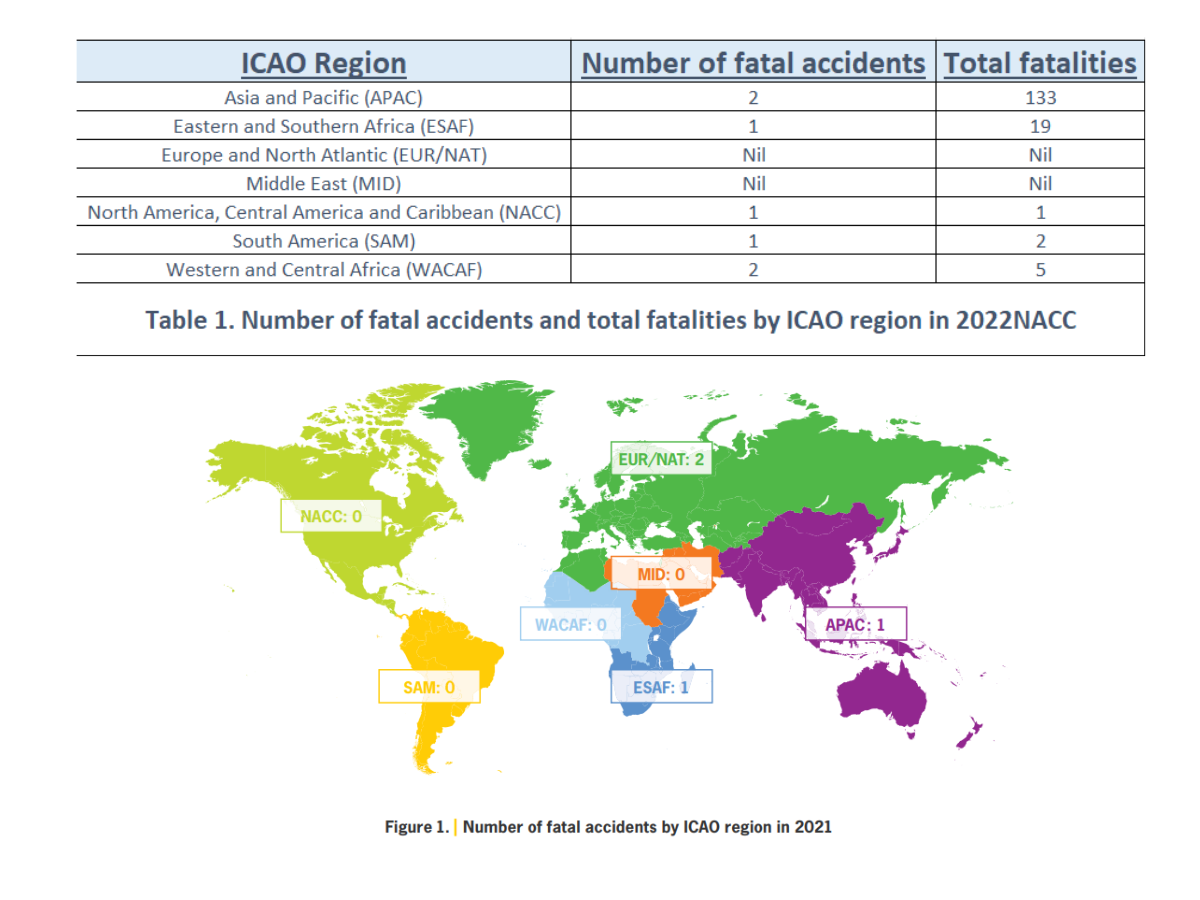
    As you can see from the above reports by ICAO, implementing SMS has played a key role in reducing fatal accidents around the globe.

    An Airport safety management system is not just a regulatory requirement, it’s the cornerstone of safety in aviation. It’s a systematic approach that allows airports to detect and rectify safety issues before they escalate into aircraft accidents or incidents. This proactive approach significantly enhances safety performance and is a testament to the industry’s commitment to safety.

    For instance, Part 139 certificated airports are required to implement an SMS to ensure adherence to FAA regulations. This compliance is not just about meeting regulatory requirements, it’s about fostering a culture of safety within the organization.

    Risk management is at the heart of an SMS. It enables airlines to identify and mitigate safety risks they face during their daily operations. This systematic approach to risk management leads to safer operations and is a key factor in maintaining the industry’s impressive safety record.

    Looking ahead, with the anticipated growth in air transportation, the importance of SMS will only increase. New measures and greater efforts will be needed to continue improving aviation safety. The use of SMS at airports will play a pivotal role in this endeavor.

    ‘THE’ Looming challenge around Airport Safety management

    The aviation industry has made significant investments in sophisticated tools for efficient planning and scheduling of manpower, ensuring equipment readiness, and establishing flight schedules. However, the real challenge arises on the day of operations. Initial delays often occur due to Air Traffic Control (ATC) prioritizing safety over operational efficiency. Additionally, delays may result from insufficient readiness of resources to initiate the turnaround process.

    Operations are guided by Service Level Agreements (SLAs) and Standard Operating Procedures (SOPs), which often limit visibility into the turnaround process. This makes it challenging for airlines and airports to proactively prevent or recover from delays. These factors collectively affect the overall preparedness of the aircraft for on-time departures. The target off-block time is frequently not met, leading to changes in the target startup approval time (TSAT) and departure sequence, which can result in additional delays during take-off.

    ZestIOT’s Solution

    ZestIOT’s technology generates intelligent data and provides visibility into every aspect of aircraft turnaround processes, starting from the moment the aircraft is On Block. This is achieved through a seamlessly integrated platform that acts as a single source of truth, referred to as the TurnTracking Digital Twin of Aircraft. This platform provides real-time situational awareness and drives operational efficiencies by enabling faster decision-making. It allows users to not only handle exceptions but also predict the Take-Off Block Time (TOBT).

    With ZestIOT’s Ground Radar Connected Operations, you can take your aircraft turnaround operations to the next level. This revolutionary platform uses AI, IoT, and mobile process monitoring to create a digital twin of your airport operations. It provides real-time insights, boosts efficiency, and even predicts TOBT, ensuring a guaranteed return on investment.

    What sets ZestIOT apart is its seamless integration. Camera-based AI, IoT sensors, and mobile apps work together to deliver a holistic view of your operations. Real-time insights empower efficient decision-making, minimizing turnaround times, and proactively handling exceptions. With ZestIOT, you gain the power to predict future scenarios, including accurate TOBT calculations, ensuring smooth operations and optimized schedules. The result is tangible improvements in efficiency, punctuality, and cost savings, leading to a definitive return on your investment.

    But ZestIOT’s impact extends beyond security. The company’s Turnaround Digital Twin optimizes every step of the turnaround process, saving valuable time and resources. Data-driven insights from ZestIOT’s analytics platform empower you to make informed decisions that improve ground operations across the board. Moreover, ZestIOT’s solutions not only enhance safety and security but also lead to significant cost reductions through optimized processes and predictive maintenance.

    How ZestIOT improve safety in aviation?

    Over the years, muscle memory has played a crucial role in ensuring safety in various fields, including aviation ground operations. However, in today’s fast-paced world, attracting and retaining skilled talent in ground operations has become increasingly challenging. So, how can airlines and Ground Handling Agents (GHAs) ensure safety in this new age?

    • Understanding the learning gaps of the new-age workforce is essential. It’s important to help them develop muscle memory, similar to their experienced counterparts. Crucially, timely reminders about safety checks before the commencement of a task can play a significant role in ensuring safety.

    • Smart systems, virtual offices for ground personnel who lack a physical office, and content tailored to specific users and roles could be the way forward.

    • Smart systems can provide real-time updates and reminders, ensuring that safety checks are not missed.

    • Virtual offices can provide ground personnel with the resources and information they need, right at their fingertips.

    • Lastly, providing content that is specific to a user’s role can ensure that they are well-equipped to handle their responsibilities safely and efficiently.


    In a nutshell..


    As the aviation industry continues to evolve with advancements in technology and increasing air traffic, the role of SMS is becoming increasingly significant. The International Civil Aviation Organization (ICAO) and civil aviation authorities worldwide recognize SMS as the next step in the evolution of safety in aviation. The implementation of SMS is becoming a standard across the industry, integrating modern safety risk management and safety assurance concepts into repeatable, proactive systems.

    The combination of Safety Management Systems and innovative products like ZestIoT’s Ground Radar is ushering in a new era of safety in aviation. This synergy is expected to enhance operational efficiency, improve safety performance, and ultimately contribute to the sustainable growth of the aviation industry.

  • TurnTracking — AI Adoption: Is it ready for adoption?

    With Google’s recent announcement of Gemini and the exciting advancements in open AI models, AI is poised to revolutionize every aspect of our lives. The aviation industry, like many others, is embracing the AI technology, and one particular area of focus is camera-based video analytics to acquire undisputable turnaround operations data without any manual intervention. CameraAI has become a buzzword in the industry, as it provides valuable intelligence with single source of truth enabling real time visibility of turnaround operations. The need for this technology has been recognized by airports, airlines, and the aviation community at large; but the crucial question still remains: Can Airport & Airlines operations adopt it for day-to-day operational decisions?

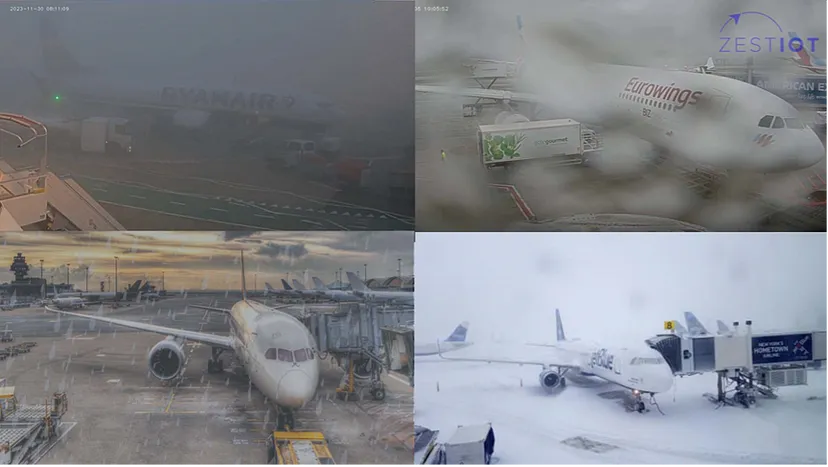
    Main challenge in implementing Camera AI based systems in complex and intensive operations, such as flight operations at a busy hub airport with over 1000 air traffic movements, is reliability in all weather conditions. While the aviation has successfully pilot the technology & is very bullish about possibilities of AI technology for acquiring non-disputable data, such as aircraft turnaround information; making it work in all weather conditions to achieve 100% reliability still poses significant challenges. Adverse weather conditions impact airport operations significantly as recently experienced by Munich AirportNeed for accurate & reliable system providing complete visibility of operations to recover from disruptions is very critical for airports.

    Three key factors present hurdles for the aviation industry to fully adopt video analytics AI technology in their operational processes.

    • Extreme weather conditions, such as fog or sandstorms
    • Rain and dust conditions
    • Blind spots or occlusions of objects that cameras cannot see

    According to a recent statement from an airport’s chief operating officer, the AI system performs well under ideal conditions, such as on sunny days. However, this does not reflect the reality at the airport. Operations cannot rely on a system that only works in ideal conditions. Due to these factors, AI systems based on camera feeds fall short of expectations. As a result, the aviation industry has not been able to fully embrace AI technology for operational purposes beyond pilot projects.

    It is clear that improving the reliability of AI systems in challenging operational environments is crucial for the widespread adoption in the aviation industry. Addressing issues related to extreme weather conditions, delayed detections, and blind spots will be essential to overcome this hurdle and enable the full potential of AI technology in aviation operations. But is there a solution to overcome this?

    Yes: The potential of IoT sensors technology combined with the advancement of small IoT chips has been largely untapped in such scenarios. Leading consulting firms like Deloitte has published exhaustive case studies of IoT applications for airport. While GPS based telematics data has been in existence since last 30 years, advancement of IoT devices with GPS & other sensors has been widely adopted in industrial harsh operating environments. These sensors and IoT devices have the capability to generate significant amounts of data, operating continuously in harsh environments without being affected by extreme weather conditions such as rain or dust. Unlike camera AI technology, which is often constrained by these factors, sensors and IoT can operate effectively in such weather or extreme operating environment conditions. Lidar is another alternative technology which can be very instrumental in such scenarios. However cost may be prohibitive for return on investment. A robust system will need multiple technologies & data sources to provide a reliable undisputed data acquisition for Aircraft turnaround operations.

    Some airports have embraced this idea and conducted trials by integrating IoT data along with CameraAI based video analytics into their turnaround processes. The main challenge was to ensure reliable data collection in zero-degree temperatures and foggy conditions. Early results from technology trials are very promising:

    Impact of IoT sensors based additional data & improvement in operations detection

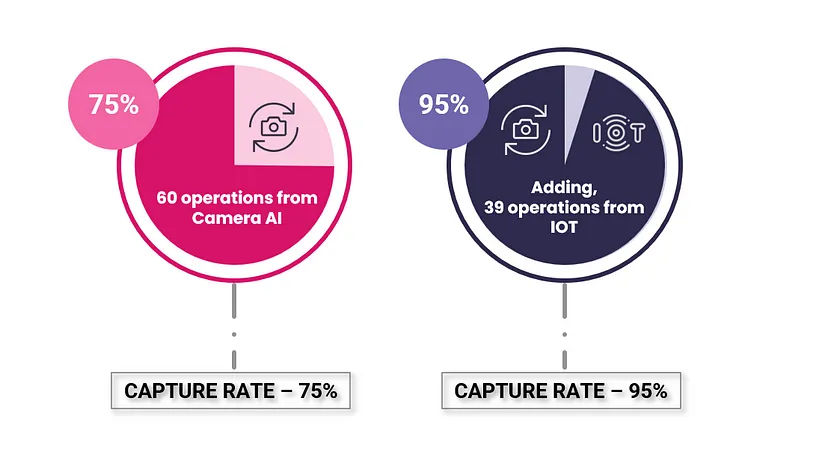
    One important finding from these pilot program was that out of the 60-plus operations to be detected by Camera, 39 operations utilised IoT sensors technology as an additional source of operations data. This led to a significant increase in the reliability of the system’s capture rate, from 75% to over 95%, particularly in extreme weather, occlusion and low-light conditions.

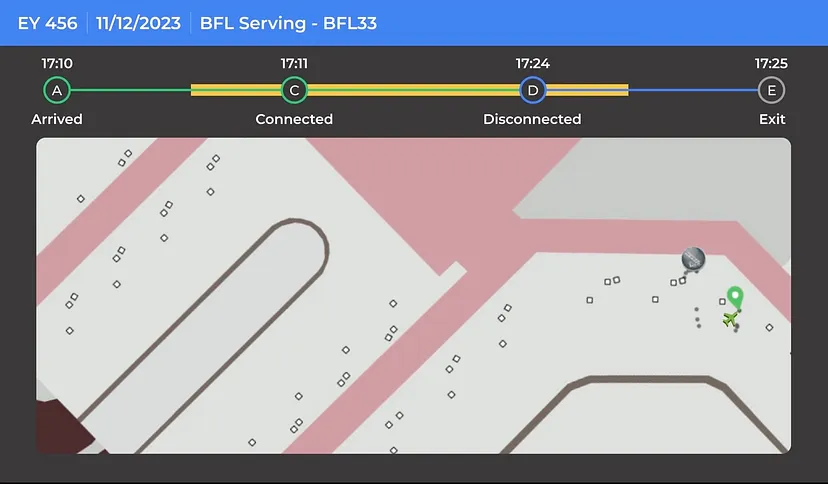
    An example of using IoT sensors is arrival of Baggage Freight Loader (BFL) to the ramp serving bay. On arrival of aircraft, BFL connects to the belly of aircraft once aircraft front or rear hold is open. Once the loading & unloading is finished, BFL disconnects from the aircraft & often leave the ramp area to serve other flights:

    E.g. Acquisition of Baggage Freight Loader operations for a flight using IoT & sensors

    Results of the pilot with initial outcomes have been extremely positive for European airport. From the pilot, it is evident that for Airport operations to rely on AI technology, system must deploy additional sources of data to provide reliable way of acquiring turnaround operations data in all weather conditions. This also becomes a foundation for accurate prediction of TOBT which is very important outcome Euro Control is focussing on through Airport Operations plan.

    Some airports are taking this thought further to integrate all data sources involving above the wing, below the wing, aerobridge with important roles performing various operations around the aircraft without compromise on privacy with integration of equipments & operations as well as data from various system sources to create a true digital twin of Aircraft turnaround operations.

    #ConnectToTransform #CameraAI #IoT #TurnTracking #AircraftDigitalTwin #Reliability #DataDrivenDecisions #newtechnologies #AI #artificialIntelligence #IOT #autonomoustechnology #aviation #airport #airlines #groundhandling #paperless #turnaroundmanagement #turnaround #deeptech #deeptechstartups #ZestIoT #GroundRadarConnectedOperations #AviationInnovation #AircraftTurnDigitalTwin #TurnTrackingDigitalTwin #DigitalTransformation #BusinessROI #DefinitiveROI #Innovation #SmartAviation

  • The Power of Video Analytics

    How ZestIoT Improved Conveyor Belt Health Monitoring

  • Revolutionizing LPG Cylinder Distribution with AI-Driven Automation

    The Client:An Oil and Natural Gas PSU with a Nationwide LPG Distribution Network

  • Revolutionizing LPG Cylinder Distribution with AI-Driven Automation

    The Client: Oil and Natural Gas PSU with a Nationwide LPG Distribution Network.